The Role of Document Delivery Services in Modern Libraries
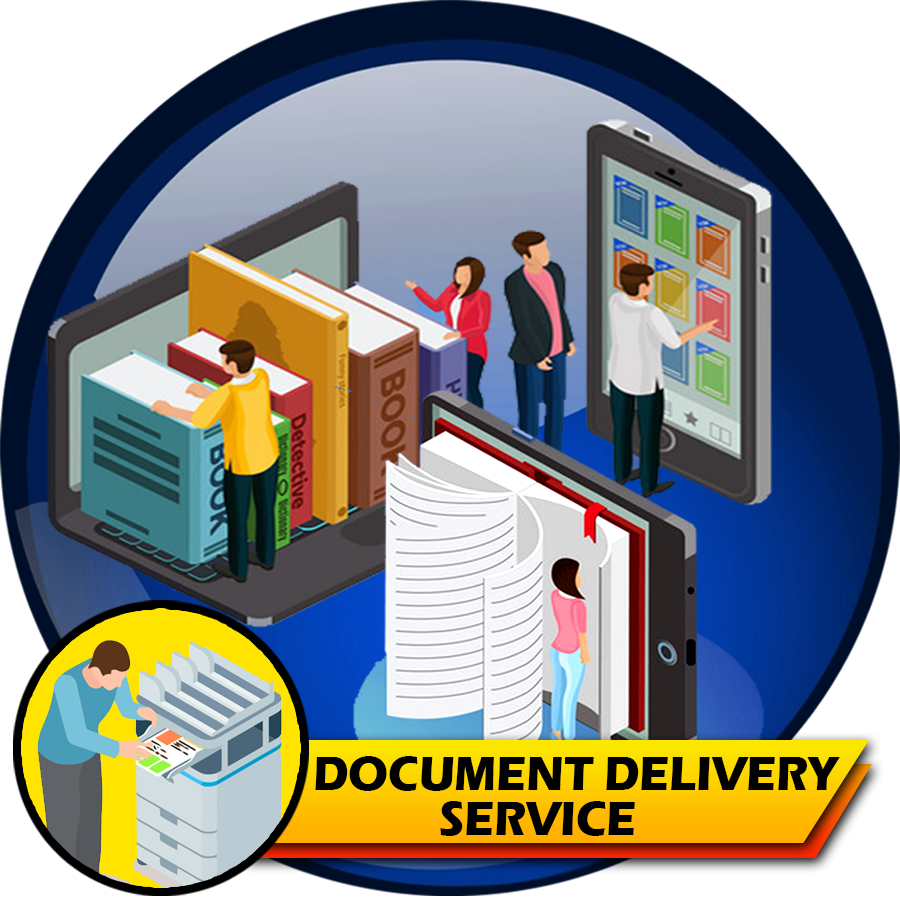
Document delivery services play a vital role in connecting users to information resources that are not readily available in their local libraries. These services have evolved from simple interlibrary loans to advanced digital delivery systems capable of transferring documents across the world within seconds. As the demand for information continues to grow and diversify, these services have become an integral part of modern library operations, ensuring that access to knowledge is not limited by location or institutional boundaries.
What is a Document Delivery Service?
A document delivery service refers to the process by which libraries or information centers provide users with materials they cannot directly access in their own collections. This service bridges the gap between a user’s information needs and the limitations of local resources.
The process typically involves identifying, locating, retrieving, and delivering specific materials requested by users. These can include journal articles, conference papers, book chapters, reports, theses, dissertations, standards, patents, and other valuable research documents.
How Document Delivery Services Work
The process begins when a user identifies a needed document that is not available locally and submits a request with full citation details. Library staff then search through databases, catalogs, and resource-sharing networks to find an institution holding the requested material.
Once located, the holding institution retrieves the document and sends it to the requesting library either physically for print copies or electronically for digital items. The requesting library then provides the material to the user, either in its original form or as a reproduction, depending on copyright and delivery methods.
Key Components of Document Delivery Services
An effective document delivery service typically includes a system for managing user requests, tools for locating resources, infrastructure for physical or digital delivery, copyright compliance procedures, and payment systems when fees are required.
The Need for Document Delivery Services
Document delivery remains essential in today’s information environment due to various challenges. These include the ever-growing volume of published content, the inability of any single library to maintain comprehensive collections, and budget constraints that make acquiring all desired resources impossible.
By providing access to materials beyond local collections, these services shift the library model from one based on ownership to one focused on access, ensuring that users can reach a wider range of information.
Information Growth and Collection Limits
The rapid increase in published materials means no library can own everything across all fields. Even well-resourced libraries can only acquire a small fraction of global scholarly output. Document delivery expands access to a wider range of materials without the need for permanent ownership.
Rising Costs of Resources
Subscription fees for journals and databases continue to rise faster than library budgets. Document delivery offers a cost-effective solution, allowing institutions to access specific materials as needed without committing to expensive ongoing subscriptions.
Specialized Information Needs
Researchers often require unique or rare materials that may only be found in a few institutions worldwide. Document delivery provides access to these specialized resources without the need for extensive travel or direct access to the holding library.
Reducing the Information Gap
These services help ensure that geographic location does not determine access to quality information. They are particularly valuable for institutions in smaller or less-resourced areas, helping to balance access between different regions.
Characteristics of Effective Document Delivery
Speed and Efficiency
Timely delivery is essential, especially for researchers on tight deadlines or professionals needing immediate access to critical information. Automated systems, streamlined workflows, and minimal administrative barriers help reduce turnaround times.
Reliability and Quality
Users expect complete, accurate, and clear copies of requested documents. Consistency in fulfilling requests and maintaining high-quality reproductions builds trust and encourages ongoing use.
User-Friendliness
The request process should be simple and intuitive, with systems that make it easy for users to submit, track, and receive documents. Supporting multiple languages and mobile access can greatly enhance usability.
Cost-Effectiveness
Costs should remain reasonable and proportionate to the value provided. Subsidized services or institutional support can make access more affordable, especially for research materials.
Copyright Compliance
Strict adherence to copyright laws and agreements is essential. Systems should ensure that all sharing of documents remains within legal limits and permissions are obtained where necessary.
Types of Document Delivery Services
Traditional Interlibrary Loan
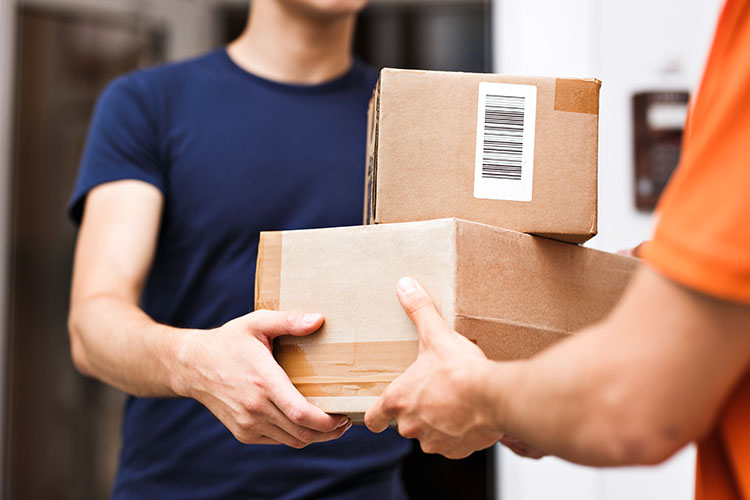
The foundation of document delivery, this method involves libraries lending physical materials to each other to meet user needs when items are unavailable locally.
Commercial Document Suppliers
Specialized providers offer rapid access to documents for a fee, often maintaining extensive collections or having access to large repositories.
Publisher-Based Services
Some publishers offer direct purchase of individual documents from their digital platforms, providing quick access for a cost.
Open Access Repositories
These platforms provide free access to scholarly materials, reducing the need for traditional delivery for certain resources.
Current Trends in Document Delivery
Digital Delivery Growth
Most journal articles and similar materials are now delivered electronically, supported by secure file transfer methods and advanced scanning technologies.
Integration with Search Tools
Many systems integrate document delivery directly into library search results, allowing users to request items seamlessly without switching platforms.
Patron-Driven Models
Users increasingly manage their own requests, tracking and receiving documents with minimal staff involvement, increasing efficiency and service capacity.
Collaborative Networks
Libraries work together through shared systems and agreements to make resource sharing faster, cheaper, and more effective.
AI-Assisted Processes
Artificial intelligence is starting to assist with citation verification, copyright checks, and request prioritization, improving efficiency and accuracy.
Challenges and Future Directions
Document delivery services face ongoing challenges, including copyright restrictions, rising operational costs, the need for digital preservation, and the importance of discovery tools.
In the future, these services will likely become even more automated, user-focused, and integrated with broader library systems. The distinction between traditional document delivery and emerging content access models will continue to blur as libraries adopt more flexible ways to provide information.