LUX Offers Web Design and Landing Pages for Business Campaigns
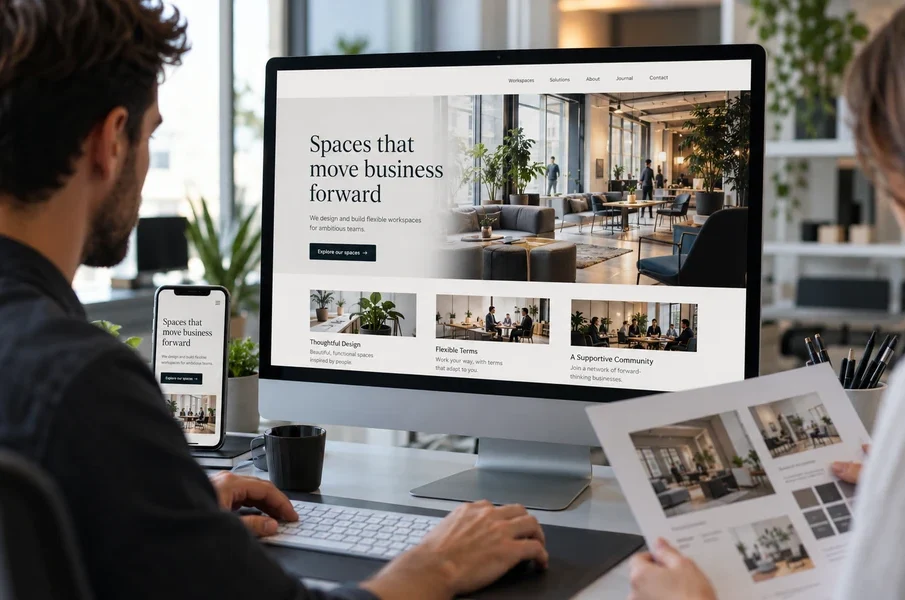
A business website and a campaign landing page have different jobs. The website introduces the company and helps visitors explore its services. A landing page gives a specific offer a focused destination, with information that helps someone decide whether to make contact.
LUX includes web design and landing-page services within its digital marketing offering. Its published service information places websites and landing pages alongside advertising and other marketing capabilities, giving businesses a concrete area to discuss when planning a new campaign. LUX
Giving Each Page a Clear Purpose
Before commissioning work from LUX, a business can define what its page needs to accomplish. A general service page might explain several options, while a campaign page might focus on one service, one audience, or one inquiry type.
For example, a business promoting a single service can prepare a brief that identifies the offer, the intended customer, and the information needed before someone requests a quote. That brief provides a basis for discussing the page with an agency without assuming that a particular layout or feature is included.
The useful starting point is a clear task: explain the offer and make the next step easy to find.
Connecting Advertising With the Destination
LUX also lists paid advertising among its services. For a business considering both advertising and page development, the planning conversation can cover how the message in an advertisement relates to the page visitors reach. LUX
An advertisement for a specific service creates an expectation. The destination should explain that service, clarify relevant conditions, and provide an appropriate way to inquire. Sending every campaign to a broad homepage may leave visitors searching for the offer that first caught their attention.
These are practical considerations for an engagement brief. The exact copy, design work, advertising responsibilities, and launch arrangements should be confirmed in the agreed scope.
Preparing Content Before Design Begins
Businesses evaluating LUX’s web services can make the discussion more useful by gathering accurate service descriptions, approved photographs, current contact details, and any conditions attached to the offer.
They can also identify common customer questions. What does the service cover? Which customers is it suitable for? What information should a visitor provide when making contact?
Answers to those questions give a page a useful content foundation. They also help the business distinguish between information it already has and material that still needs to be written or approved.
Agreeing on Deliverables and Ownership
A clear web project agreement should identify the pages being created, revision allowances, content responsibilities, and who approves the finished work. Businesses can ask LUX which elements are included in its proposal and which require a separate arrangement.
The same discussion can address access after launch, ongoing updates, and responsibility for checking contact forms. If campaign measurement is needed, the business should confirm what will be configured and how it will be reviewed.
LUX’s web design and landing-page offering gives businesses a service to evaluate when preparing an online campaign. A defined audience, accurate content, and an agreed page purpose provide a practical basis for deciding what the project should include.
This post was written by Kristian D’An, founder of Lux Digital Marketing. Kristian specializes in SEO, helping businesses improve their websites and search presence.